How to Choose the Best Water Filter System?

Choosing a water filter system starts with a simple question: what do you need it to remove? Cloudy water, an unusual taste, and a laboratory-confirmed contaminant are different problems. A filter that improves flavor may not reduce lead or microbes. Match the system to your water source and the specific concern.

Check your water report, or arrange a suitable test if the results are unclear. Then compare product claims with independent certification, such as NSF/ANSI standards that apply to the contaminant in question. Read the exact standard and model number; certification for one reduction claim does not prove every claim. Small print matters.

Think about installation, maintenance, and daily use, too. A pitcher fits on a refrigerator shelf, while an under-sink unit may need space, tools, and periodic cartridge changes. Whole-house systems treat water at the entry point, but may be more than a household needs. Consider replacement costs, flow rate, and whether filters are easy to find. Convenience counts.

There is no universal best choice. The right option depends on your water, budget, household size, and willingness to maintain it. Even careful comparisons can miss a detail, especially when marketing language sounds more precise than it is. Keep the evidence close. This guide will explain how to compare water filter systems, assess common technologies, and choose a setup that suits your needs without paying for features you may not use.
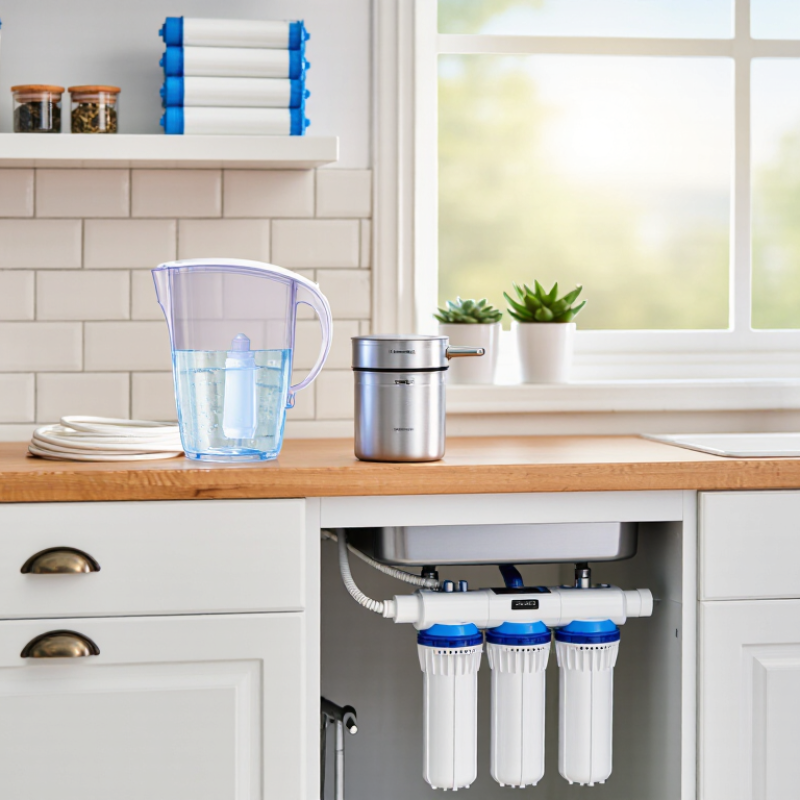
How to Choose the Best Water Filter System?

Identify target contaminants using EPA’s list of more than 90 regulated drinking-water contaminants

Choosing a water filter starts with knowing what is in your water, not guessing from taste or appearance. The EPA regulates more than 90 drinking-water contaminants, including lead, nitrate, arsenic, and certain microbes. Check your water utility’s annual Consumer Confidence Report, or request a test if your home uses a private well. The report can name detected contaminants and show how levels compare with standards. Clear water can still contain contaminants. That part is easy to miss.

Use the findings to identify a filter certified to reduce the specific contaminants detected. Read the performance data carefully: a filter that reduces chlorine may not reduce lead or nitrate. Certification should match the exact contaminant and the filter model, not just a broad phrase such as “improves water quality.” A crowded list can feel daunting. I’d start with the contaminants reported locally, then check whether older plumbing could add lead between the utility and your tap. Replace cartridges on schedule; an overdue filter may perform poorly. Testing and reports are not perfect snapshots, but they give you a more grounded starting point than choosing by appearance.

Compare treatment methods by contaminant reduction and pore-size ratings

Pore size is a useful clue, but it does not tell the whole story. A filter rated at 0.2 microns may reduce many particles and some microorganisms, depending on its design and test results. It will not necessarily remove dissolved salts, lead, or chemical compounds. For those, look for contaminant-specific reduction data rather than relying on a small pore-size number.

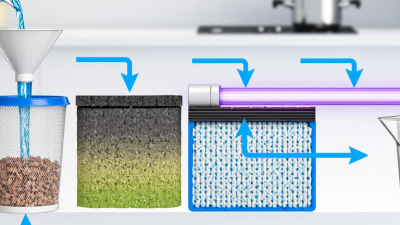
Different methods address different problems. Activated carbon can reduce chlorine, odors, and certain organic chemicals through adsorption; its effectiveness depends on the carbon and the time water spends in contact with it. Reverse osmosis can reduce many dissolved substances, including some metals and salts, but performance varies and the process produces wastewater. Ultraviolet treatment can inactivate susceptible microbes, yet it does not remove sediment or chemicals. Useful detail.

Check independent test results for the exact contaminants found in your water, and note the conditions under which each reduction claim was measured. A micron rating may describe particle retention, not a guarantee against every microbe. Match the treatment method to a water test or a reliable local water report. I once assumed clearer water meant cleaner water; that shortcut was wrong. Replacement timing matters, too: a neglected cartridge can reduce flow and compromise performance. Read the fine print.

Check NSF/ANSI certifications: Standards 42, 53, 58, and 401

How to Choose the Best Water Filter System?

Check the certification label, not just broad claims. NSF/ANSI 42 covers aesthetic issues, such as chlorine taste and odor. Standard 53 verifies reduction claims for specified health-related contaminants, including lead. NSF/ANSI 58 applies to reverse-osmosis systems, while 401 covers certain emerging compounds. Certification applies only to the contaminants named in a product’s listing. It does not mean a filter removes everything. The U.S. Environmental Protection Agency estimates its 2024 PFAS drinking-water rule will protect about 100 million people, underscoring why specific contaminant testing matters.

Tips: Match the standard to your water report. Check the certifier’s online listing and confirm the exact model and contaminant claim. For example, a Standard 53 label alone does not prove lead reduction unless lead appears in that model’s certified claims. Private-well users may need a lab test before choosing equipment. A countertop pitcher and an under-sink reverse-osmosis unit solve different problems. Small detail, big difference.

Read the fine print. Certification is useful, but replacement schedules and correct installation matter too. I would not assume a filter performs as tested after its cartridge is overdue; that assumption is easy to make, and worth questioning. EPA’s Consumer Confidence Report or a certified laboratory can help identify what is actually present in your water.

Match filter capacity to household demand and daily water use

A filter’s capacity should reflect how much water your household actually drinks and cooks with, not just the number of people at home. Track daily use for a few days. Include water for coffee, filling bottles, cooking pasta, and preparing meals. A household of four may use a modest amount for drinking, yet quickly empty a small countertop filter during a busy weekend.

Check both rated capacity and flow rate. Capacity estimates how much water a cartridge can treat before replacement; flow rate affects how quickly water is available. If several people fill bottles before school, a slow pitcher may become frustrating. For an under-sink system, consider whether its output can keep up with cooking and drinking needs. Leave some margin for guests and unusually busy days. Estimates are never perfect.

Also compare the capacity rating with the replacement schedule and the contaminants the filter is designed to reduce. A large rating does not mean every cartridge lasts equally long in every home. Sediment, water quality, and heavy use can shorten service life. Keep a simple note of installation dates and changes in taste or flow. Those signs are not a substitute for the manufacturer’s schedule, but they can prompt a timely check. If your household’s use changes, reassess the fit. A system that worked for two people may feel undersized after a new baby or a move.

How to Choose the Best Water Filter System? — Match Filter Capacity to Household Demand and Daily Water Use

Household Size Estimated Drinking and Cooking Water Use Suggested Daily Treatment Capacity Filter Type to Consider Capacity Details to Check Best Fit When
1 person About 0.5–1 gallon per day At least 1–2 gallons per day Pitcher or countertop filter Rated filter life in gallons; replacement interval; treated-water volume per fill Water use is modest and occasional refilling is convenient.
2–3 people About 1–3 gallons per day At least 3–5 gallons per day Faucet-mounted or countertop system Manufacturer-rated capacity, flow rate, and whether filtration slows noticeably near the end of cartridge life Several people use filtered water throughout the day, but whole-home treatment is not needed.
4–5 people About 2–5 gallons per day At least 5–8 gallons per day Under-sink cartridge system or reverse osmosis system Daily production rate, storage-tank volume if applicable, and cartridge or membrane replacement schedule Filtered water is used regularly for drinking, cooking, and filling bottles.
6 or more people About 3–7 gallons per day At least 8–12 gallons per day High-capacity under-sink system or suitably sized reverse osmosis system Peak-hour output, recovery time after the tank is depleted, and rated capacity under the home’s water pressure and temperature Demand is high or several people may draw filtered water at the same time.
Any household with high water use Depends on cooking habits, visitors, and beverage use Estimate actual use, then allow a practical reserve System selected from measured daily demand Compare the rated capacity with actual use; replace filters on schedule rather than relying on taste alone Daily use varies substantially, or the system may need to serve more people than usual.

Planning note: These are approximate drinking-and-cooking estimates, not guarantees. Actual use varies by household. Check the system’s certified contaminant-reduction claims, rated capacity, flow rate, and replacement requirements; match the system to a water test and the specific contaminants of concern.

Review replacement schedules, maintenance needs, and total ownership costs

A water filter’s purchase price tells only part of the story. Check the replacement schedule for every cartridge, membrane, or other filter component. Some parts may need changing every few months, while others last longer under typical use. Actual lifespan depends on water quality and how much water your household uses. Keep that in mind.

Before buying, look for clear instructions on replacement and routine care. A system may require flushing after installation, cleaning a storage tank, or checking for leaks around fittings. These tasks are manageable, but they take time. If maintenance is easy to forget, choose a model with accessible parts and a simple service schedule. Set calendar reminders, and note the date on each replacement.

Estimate total ownership costs over several years, not just the upfront price. Add replacement filters, any required tools, and likely service visits. Also check whether cartridges are easy to find and whether the system needs a professional installation. A low-cost unit can become less economical if its parts are expensive or difficult to source. Compare costs using your expected household water use, and verify claims against the product manual or independent testing information. One detail is easy to miss: local water conditions can shorten filter life. I would leave some room in the budget, because real usage rarely matches a neat estimate.

How to Choose the Best Water Filter System?

Compare estimated five-year ownership costs alongside typical replacement schedules and maintenance needs.

Five-year totals are illustrative estimates in US dollars, combining typical equipment, installation, replacement filters, and routine upkeep; actual costs vary by water quality, usage, and local labor. Pitcher cartridges commonly need replacement every 2–3 months; faucet and under-sink cartridges often last 3–12 months; reverse-osmosis prefilters are commonly changed every 6–12 months and membranes every 2–5 years. Whole-house schedules vary by filter type and water conditions. Check manufacturer guidance and budget for periodic maintenance.

Build your system. Protect your boat. Join the movement.

Compare Products
Talk to Sales