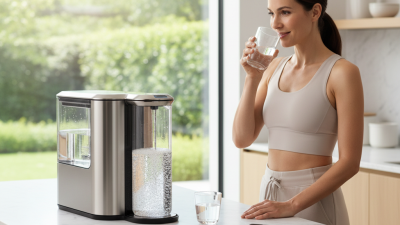
A water filter is a device designed to reduce unwanted particles, chemicals, or microorganisms in water. Its performance depends on the filter material, pore size, water quality, and contact time. Some filters use activated carbon to trap chlorine, odors, and selected organic compounds. Others use membranes, sediment screens, or ultraviolet light for different treatment goals.
The process is not mysterious. Water passes through one or more treatment stages. Larger particles may stop at a physical screen. Activated carbon can hold certain contaminants on its porous surface. A membrane may block smaller substances under pressure. However, no single water filter removes everything. A filter certified for lead reduction may not remove bacteria, nitrates, or dissolved salts.
Practical use reveals an important detail: maintenance matters. A neglected cartridge can reduce water flow and may become a source of contamination. Replacement schedules should follow the manufacturer’s instructions and local water conditions. Independent certifications, such as relevant NSF or ANSI standards, provide useful evidence, but labels still require careful reading. The word “purified” can sound stronger than the actual testing supports.
A good choice begins with a water-quality report or laboratory test. Consider the contaminant, daily water volume, installation method, and replacement cost. For example, cloudy tap water may need sediment control before carbon treatment. Taste alone cannot confirm safety.
It is easy to overtrust a device. A water filter helps, but it is not magic. Understanding its limits makes the system safer, more economical, and more reliable.
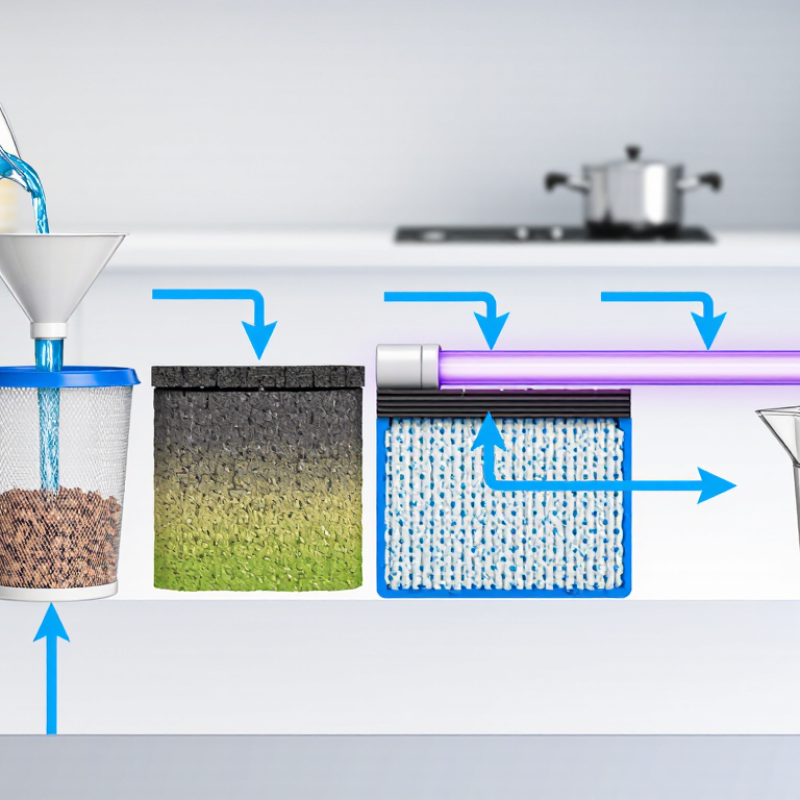
A water filter is a device that reduces unwanted particles, chemicals, or microorganisms in water. Its performance depends on the filter material, pore size, contact time, and maintenance. Sediment filters trap sand, rust, and visible debris. Carbon filters can reduce chlorine, odors, and some organic compounds through adsorption. Membrane filters work more finely. Ultrafiltration may reduce bacteria and protozoa, while reverse osmosis can also reduce many dissolved salts. Ultraviolet treatment is different because it disinfects water without physically trapping contaminants.
Micron ratings describe the size of particles a filter can capture. A 100-micron filter catches coarse particles, such as grit. A 5-micron filter handles much finer sediment. Ratings near 0.1 micron are designed for very small particles, but the number alone does not prove complete protection.
Some ratings are nominal, while others are absolute. This difference matters. A fine filter may clog quickly in muddy water. It may also fail to remove dissolved chemicals. The right choice depends on the source water and a tested contaminant report.
Tips: Check the filter’s certified claims, not just its micron number. Replace cartridges according to water quality and flow changes. Cloudy water needs prefiltration. Hard water can shorten membrane life. I sometimes overfocus on pore size; that is a mistake. A practical system balances removal ability, pressure, maintenance, and safe storage. Test treated water when reliability is important.
A water filter is a treatment device that improves water by trapping or changing unwanted substances. Its performance depends on the filter material, water pressure, and maintenance. A filter is not magic.
Sediment filtration is often the first stage. A porous layer catches sand, rust flakes, and loose particles. Imagine muddy water passing through a fine mesh. Larger particles remain behind, while smaller substances continue moving through. This stage protects later media and can improve water clarity. However, clear water is not automatically safe water.
Adsorption works differently. Materials such as activated carbon hold certain chemicals on their large internal surfaces. This process can reduce unpleasant tastes, odors, and some organic compounds. Contact time matters. Fast flow may limit performance. Ion exchange uses charged resin beads instead. The beads exchange selected ions, such as calcium or magnesium, for other ions held in the resin. This can reduce hardness, although results depend on water chemistry and resin capacity. One detail is easy to miss: exhausted media may stop working before the water looks different. Regular replacement should follow tested capacity, usage, and local water conditions. A basic water test is often more useful than guesswork.
A water filter is a treatment device that reduces unwanted substances before drinking. Reverse osmosis (RO) works differently from ordinary carbon filtration. It pushes pressurized water through a semipermeable membrane, often rated near 0.0001 micron. The membrane blocks many dissolved salts, metals, microorganisms, and other small contaminants. Carbon stages usually protect the membrane and improve taste.
The U.S. Environmental Protection Agency reports that conventional point-of-use RO systems may discharge three to five gallons of water for every gallon produced. That makes recovery a practical concern. A 20–30% recovery rate means only one-fifth to one-third of feedwater becomes treated water. The remainder carries concentrated impurities to the drain. Recovery varies with pressure, temperature, membrane condition, and incoming water quality. Numbers alone can mislead.
The World Health Organization’s 2022 drinking-water report found that 2.2 billion people lacked safely managed drinking water. This context explains why treatment performance deserves careful testing. NSF/ANSI 58 evaluates residential RO systems for material safety, structural integrity, and reduction claims. However, certification does not guarantee identical results in every kitchen. Old filters reduce flow. Cold water slows production. Maintenance is easy to postpone. That is the uncomfortable part. A 0.0001-micron membrane sounds precise, but real performance depends on the entire system, not one impressive number.
What Is a Water Filter and How Does It Work?
A water filter improves water by trapping, adsorbing, or separating unwanted substances. Activated carbon can reduce chlorine taste, odors, and some organic chemicals. Sediment filters capture visible particles, such as sand or rust flakes. Reverse osmosis systems use pressure to push water through a very fine membrane. The process can reduce dissolved substances that ordinary carbon filters may not remove.
NSF/ANSI Standard 42 covers aesthetic effects, including chlorine, taste, odor, and particulate reduction. It focuses on how water looks, smells, and tastes. Standard 53 addresses specific health-related contaminants, such as lead, cysts, or certain chemicals. A filter certified under Standard 53 must demonstrate reduction for the contaminants listed in its claim. One certificate does not mean it removes everything.
Standard 58 applies mainly to reverse osmosis systems. It evaluates reduction claims for substances such as dissolved solids, lead, arsenic, or fluoride, depending on the tested model. These standards matter because testing is performed against defined requirements, not vague advertising language. Still, certification needs careful reading. Check the exact contaminant, rated capacity, replacement schedule, and operating conditions. A neglected cartridge may perform poorly. Water pressure also matters. I would not rely on a standard number alone. The specific claim is the real evidence.
A water filter improves drinking water by trapping particles or reducing unwanted substances. Its filter media gradually fills with sediment and dissolved contaminants. The key measurement is filter capacity, usually listed in gallons. A filter rated for 300 gallons may handle that volume under controlled conditions. Real homes can differ. Water quality, pressure, and daily use affect performance.
Replacement timing should follow gallons, not only the calendar. A household using two gallons daily could reach 300 gallons in about five months. Heavy sediment may reduce useful life sooner. Watch for slower flow, unusual taste, cloudiness, or a musty odor. These signs deserve attention. Waiting for a strong warning can be a mistake. I once treated a calendar reminder as exact, although actual water use was much higher. Capacity labels guide decisions, but they are not crystal balls.
Tips: Record installation dates and estimate weekly usage. Check the filter after several weeks for visible sediment. Replace it earlier when flow drops noticeably. Follow the filter’s instructions, and keep the housing clean during each change. If water quality changes suddenly, test the water instead of relying only on taste. Some contaminants have no smell or flavor.
Water filters improve water quality by physically trapping particles, adsorbing dissolved substances, reducing microorganisms, or combining several treatment methods. The capacities below are practical general ranges for household systems; actual service life depends on water quality, flow rate, usage, and the manufacturer's tested rating.
| Filter Type | How It Works | Typical Target Contaminants | Typical Capacity | Approximate Replacement Cycle | Routine Maintenance | Replacement Indicators |
|---|---|---|---|---|---|---|
| Sediment Filter Cartridge | Uses a porous material to physically capture sand, rust, silt, and other suspended particles. | Sand, silt, rust flakes, dirt, and visible sediment. | 1,000–10,000 gallons | Usually every 3–12 months, depending mainly on sediment load and pressure loss. | Check the housing for leaks and monitor water pressure. Replace the cartridge rather than washing disposable cartridges. | Reduced water pressure, visible discoloration, or a visibly loaded cartridge. |
| Granular Activated Carbon Filter | Adsorbs many organic compounds as water passes through a bed of porous carbon. | Chlorine taste and odor, some volatile organic compounds, and certain organic chemicals. | 300–1,000 gallons | Commonly every 2–6 months, or sooner when the rated gallon capacity is reached. | Keep the filter from drying out when the product instructions require wet storage; flush the cartridge after installation. | Return of chlorine taste or odor, slower flow, or the stated gallon limit being reached. |
| Carbon Block Filter | Combines adsorption with a fine physical structure that provides more contact time and particle removal than loose carbon granules. | Chlorine, taste and odor compounds, fine particles, and some specified chemical contaminants. | 500–2,000 gallons | Typically every 6–12 months, subject to the certified capacity and household consumption. | Flush the new cartridge, inspect seals, and verify that the housing is properly tightened without overtightening. | Reduced flow, changes in taste or odor, or expiration of the certified capacity. |
| Pitcher or Countertop Carbon Filter | Water passes by gravity through a small activated-carbon cartridge, often with an additional ion-exchange medium. | Chlorine taste and odor, selected metals, and some hardness-related substances, depending on the filter design. | 40–150 gallons | Usually every 1–4 months in normal household use. | Wash the pitcher or reservoir regularly, keep it covered, and refrigerate filtered water when recommended. | Slow filling, unpleasant taste or odor, cartridge discoloration, or the rated gallon limit being reached. |
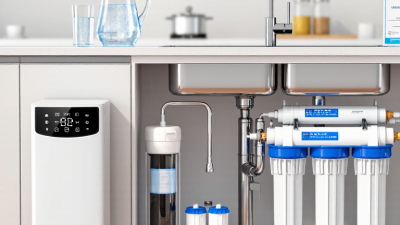
| Under-Sink Carbon System | Pressurized water flows through one or more larger sediment and carbon cartridges installed below the sink. | Chlorine, taste and odor compounds, sediment, and contaminants specifically listed for the cartridge. | 500–2,000 gallons | Generally every 6–12 months, although high-sediment water can shorten the cycle. | Inspect tubing and fittings for leaks, flush replacement cartridges, and sanitize the housing when specified. | Lower dedicated-faucet flow, leakage, or a change in taste or odor. |
| Reverse Osmosis System | Uses pressure to force water through a semipermeable membrane, separating many dissolved substances from the treated water. | Dissolved salts, many metals, nitrate, fluoride, and other contaminants covered by the membrane's test data. | Membrane: 1,000–3,000 gallons | Pre-filters commonly every 6–12 months; the membrane often every 2–5 years, depending on water quality and use. | Replace pre-filters on schedule, check for leaks, sanitize the system periodically, and monitor production and reject-water flow. | Higher total dissolved solids, reduced production, unusual taste, or a substantial decrease in treated-water flow. |
| Ultrafiltration Membrane | Uses a very fine membrane to physically retain suspended solids, colloids, and many microorganisms without removing most dissolved minerals. | Bacteria, parasites, suspended solids, and turbidity, depending on pore size and certification. | 2,000–10,000 gallons | Often every 1–3 years, with a sediment pre-filter replaced more frequently. | Flush the membrane as directed, replace the pre-filter, and sanitize the system when required. | Reduced flow, increased turbidity, or failure to meet the system's microbial reduction specification. |
| Whole-House Filter | Treats water at the main entry point so multiple fixtures receive filtered water. | Usually sediment, chlorine, taste and odor compounds, or other contaminants selected through the cartridge media. | 5,000–100,000 gallons | Approximately every 3–12 months for cartridges; larger media tanks may last several years. | Check pressure gauges, inspect the bypass and housing for leaks, and flush or backwash the media as instructed. | Reduced household pressure, visible sediment, changes in taste or odor, or the rated capacity being reached. |
Build your system. Protect your boat. Join the movement.