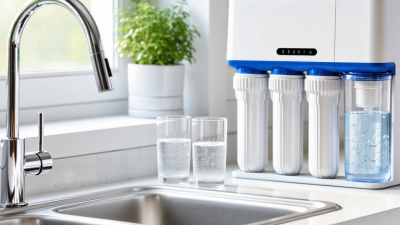
Choosing the best water filter system in 2026 starts with a simple question: what is actually in your water? A pitcher, an under-sink carbon filter, and a reverse-osmosis unit solve different problems. The right choice depends on your water source, household use, and the specific contaminants you need to reduce. A polished product page cannot answer that alone.
The scale of the issue is real. The WHO/UNICEF Joint Monitoring Programme’s 2023 report estimated that 2.2 billion people lacked safely managed drinking water in 2022. That global figure does not tell you what comes from your tap. Your local water quality report, or a properly selected laboratory test for private-well water, offers more useful evidence. Check the details.
In the United States, certification claims can help narrow the field. NSF/ANSI 42 covers aesthetic effects, while NSF/ANSI 53 addresses specific health-related contaminants; reverse-osmosis systems may be evaluated under NSF/ANSI 58. A certification applies only to the claims and contaminants listed for that model. It does not mean a filter removes everything. That distinction is easy to miss.
This guide compares filter types, verified performance claims, replacement costs, and everyday convenience. It also considers installation space: a bulky system under a crowded sink may be a poor fit, even when its specifications look impressive. No filter is magic. The best choice is the one matched to your water, maintained on schedule, and supported by clear evidence—not the loudest promise.
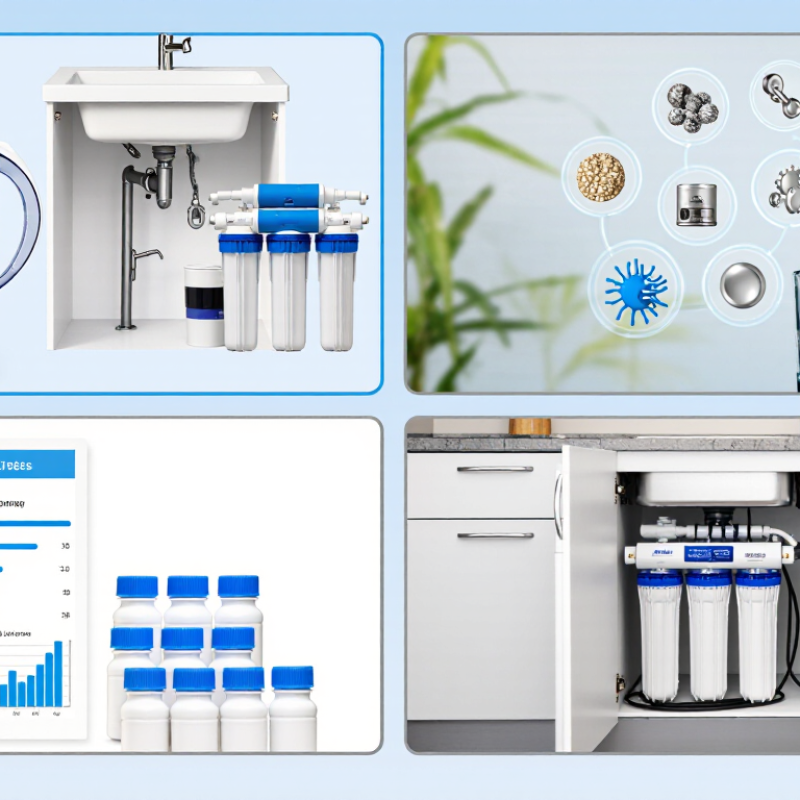
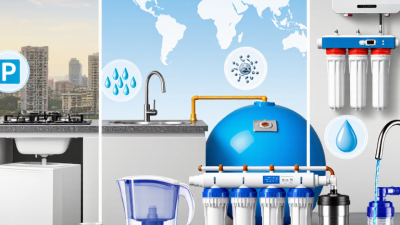
A water filtration system changes water as it passes through one or more treatment stages. In a common setup, water first meets a sediment filter. Its fine mesh or porous material traps grit, rust, and other visible particles. Next, activated carbon attracts some chemicals that affect taste and odor. That can make water taste fresher. It does not remove every contaminant.
Other systems use different methods. Ion-exchange media can reduce certain minerals, while reverse-osmosis membranes block many dissolved substances as water passes through tiny pores. Ultraviolet light can inactivate many microorganisms, but it does not remove particles or chemicals. Each method has limits. A clear glass is not proof of safe water.
The order matters. A clogged prefilter can slow flow and strain later stages. Cartridges need replacement at the intervals specified for the system, though actual water conditions may shorten them. Check the filter’s tested contaminant claims against a water-quality report, rather than relying on taste alone. The neat diagram on a package can make filtration look simple; real water chemistry is messier. Even careful maintenance cannot guarantee removal of substances the system was never designed to address.
What Is the Best Water Filter System in 2026?
Water filters target different contaminants, so the best choice depends on what is in your water. Sediment filters trap visible particles such as sand, rust, and grit. They do not remove dissolved chemicals or germs. Activated carbon can reduce chlorine taste and odor, and some certified models reduce specific pesticides or volatile organic compounds. Its performance varies by filter and contaminant.
Reverse osmosis systems can reduce many dissolved substances, including salts and certain metals, when tested and certified for those claims. They may not address every contaminant, and their membranes need proper care. Ultraviolet systems can inactivate many microorganisms, but they do not remove chemicals, metals, or sediment. Cloudy water can also interfere with UV treatment. Not all filters do. Details matter.
Tips: Check your local water quality report, then match its findings to a filter’s independently verified reduction claims. Look for the exact contaminant, not just broad wording like “purifies.” Replace cartridges on schedule; an overdue filter can lose effectiveness. If your water source changes, test again. It is easy to assume one system covers everything, but that assumption deserves a second look.
Comparing water filters starts with the water you actually use. Check your local water quality report, then identify specific concerns, such as lead, chlorine taste, or certain microbes. A filter that reduces one contaminant may do little for another. “Removes impurities” is too vague.
Look for independent certification against a named standard, and confirm that the exact model is certified for the contaminant you care about. Standards such as NSF/ANSI 42, 53, and 58 cover different performance claims. Read the test details, not just the seal. That matters. Certification does not mean every unwanted substance is removed.
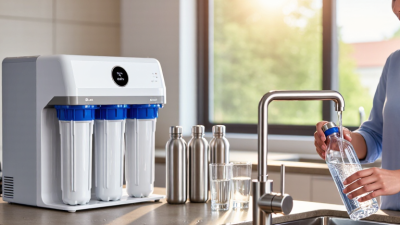
Compare flow rate, rated capacity, and replacement cost alongside reduction claims. A pitcher may be convenient, but slow refills can frustrate a busy household. An under-sink unit may provide faster access, yet require space and regular maintenance. For reverse-osmosis systems, check water use and whether the design includes a storage tank. I would not choose by a single score; tidy comparison charts can hide real trade-offs. Check replacement intervals and keep a simple record of filter changes. The best fit is the one that meets your verified needs and stays properly maintained.
The best water filter system in 2026 is one matched to your water, plumbing, and daily routine. Start with a recent utility water report. If you use a private well or notice changes, consider a certified laboratory test. A clear glass proves little. Taste and odor can guide your choice, but they cannot reveal every contaminant.
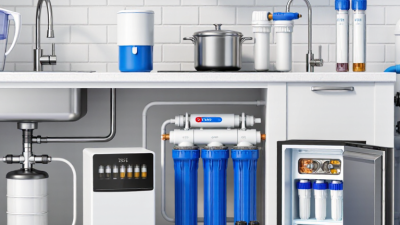
For municipal water, an under-sink unit may help with taste or specific substances. Compare its performance claims with the contaminants listed in your report. Check that replacement cartridges are easy to find. For a well, test for relevant risks such as bacteria, nitrates, and metals before selecting treatment. Needs differ. A softener addresses hardness, not every health concern. Whole-house systems treat water at multiple taps, but often cost more to maintain.
Consider flow rate, installation space, and your household’s daily water use. A filter that slows the kitchen tap to a trickle can become frustrating at dinner. Keep a simple log of cartridge dates and follow the stated capacity. I would not choose by price alone. “More filtration” sounds reassuring, yet extra stages can mean extra expense and upkeep. Ask a qualified water-treatment professional to explain your test results and expected maintenance before buying.
A water filter’s installation can shape its real value. Before choosing a system, check the available space, shutoff valve, and access to a drain or power outlet. An under-sink unit may need room for a storage tank and filter changes. A countertop model is simpler to set up, but it can occupy valuable counter space. If you rent or have older plumbing, confirm what connections are practical before buying. A basic water test can help match filtration needs to the actual source.
Small details matter.
Maintenance is ongoing, not optional. Follow the manufacturer’s replacement schedule, and track both time and estimated gallons used. Sediment, heavy use, or changes in water quality can shorten a cartridge’s useful life. Reduced flow or an unusual taste may signal a problem, but neither replaces scheduled maintenance. Keep a note of replacement dates near the cabinet. It is easy to forget.
Compare long-term costs, not just purchase prices. Include installation labor, replacement cartridges, cleaning supplies, and any electricity or wastewater associated with the system. Reverse-osmosis units, for example, may send some water to the drain, depending on their design. Estimate five years of upkeep using local cartridge prices and realistic household use. The result will still be approximate; water conditions and filter lifespan vary from home to home.
Build your system. Protect your boat. Join the movement.