Why Choose the Best Water Filtration System for Home?
A glass of water can look clear and still contain substances you would rather not drink. That is why choosing the best water filtration system for home use deserves more than a quick glance at product ratings. Water scientist Peter Gleick has described water as “the oil of the 21st century,” a reminder of its growing importance in daily life. Yet a filter is not a universal fix. The right choice depends on what is actually in your tap water, how much water your household uses, and what you want to improve. A basic carbon filter may reduce chlorine taste and odor; other concerns may require a different treatment method. Small details matter.
Start with a water-quality report or a suitable test, then check whether a system’s claims match its independently verified certifications, such as relevant NSF/ANSI standards. Look closely at replacement-filter costs, flow rate, installation needs, and how often maintenance is required. A sleek faucet-mounted unit may suit a rental kitchen, while a larger under-sink system may fit a busy household. There is no perfect choice for everyone. And even careful research has limits: test results can change, and marketing language can sound more certain than the evidence. This guide explains what to compare, which features deserve attention, and how to avoid paying for filtration you may not need. It is a practical decision, not a contest to buy the most elaborate system.
Understanding Household Water Quality and Filtration Needs
Understanding Household Water Quality and Filtration Needs
Household water can look clear and still contain substances that affect taste, plumbing, or health. Needs vary with the water source, local geology, and home plumbing. A metallic taste near the kitchen tap may point to a different issue than sediment after heavy rain. Appearance alone cannot identify the cause.
The U.S. Geological Survey estimated that about 43 million people used domestic wells in 2015. Unlike public systems, private wells are not regulated under the federal Safe Drinking Water Act, so owners need to arrange testing themselves. For municipal water, the U.S. Environmental Protection Agency requires suppliers to provide annual Consumer Confidence Reports. These reports list detected contaminants and relevant standards. Still, a report describes the supplied water, not necessarily what comes from an older household tap.
Testing gives filtration choices a useful starting point. A certified filter should name the specific contaminant it reduces; “better tasting” does not mean safer. NSF/ANSI 42 covers aesthetic effects such as taste and odor, while NSF/ANSI 53 addresses certain health-related contaminants. Check the exact product claims and maintenance schedule. Filters can lose effectiveness when cartridges are overdue. A test is only a snapshot, too, so well owners may need repeat testing as conditions change.
How Home Water Filtration Systems Remove Contaminants
Why Choose the Best Water Filtration System for Home?
How Home Water Filtration Systems Remove Contaminants
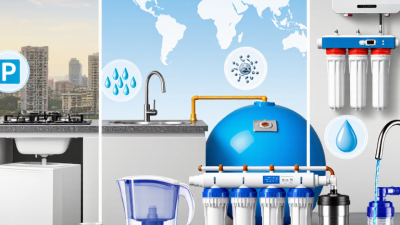
A home filtration system works by directing water through materials designed to capture or reduce particular substances. A sediment filter can trap grit, rust flakes, and other particles before they reach a faucet. Activated carbon works differently. Its porous surface can reduce chlorine taste and odor, along with some organic compounds. The result may be more pleasant water, but not necessarily water free of every contaminant.
Some systems use reverse osmosis, which pushes water through a fine membrane. This can reduce many dissolved substances, including certain salts and metals, depending on the system and its tested performance. Ultraviolet treatment can inactivate many microorganisms, but it does not remove chemicals or particles. Each method has limits. Not everything disappears.
Choosing a system means matching its capabilities to the water concern. A recent water report can help identify what needs attention; cloudy water alone cannot reveal its cause. Check independent test results for the specific contaminants you care about, and follow the recommended cartridge schedule. A neglected filter may perform poorly, even if it began as a capable one. It is easy to assume that more filtration always means better water. Sometimes, the better choice is simply the system that addresses a verified need and can be maintained consistently.
Comparing Common Types of Home Water Filters
Home water filters solve different problems, so compare the contaminant on your water report with each filter’s certified claims. The USGS’s 2023 national study estimated that at least 45% of U.S. tap water may contain one or more PFAS. That estimate is not a result for every home. Still, it shows why testing and local water reports matter.
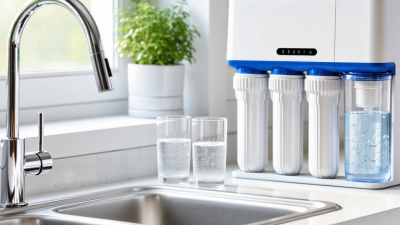
Activated-carbon filters can improve taste and reduce certain chemicals when certified for those specific claims. Reverse-osmosis systems can reduce several dissolved contaminants, but they use more water and need regular maintenance. Sediment filters catch particles such as rust; they do not remove dissolved chemicals. UV systems target microorganisms, not lead or unpleasant tastes. Different jobs.
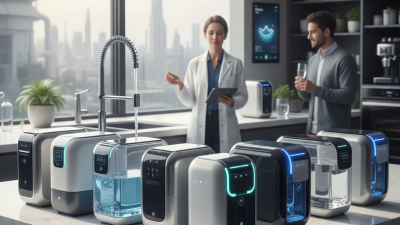
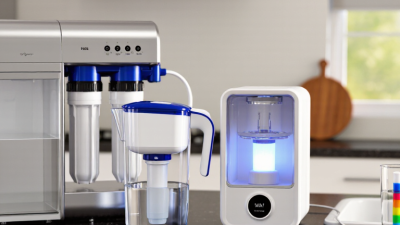
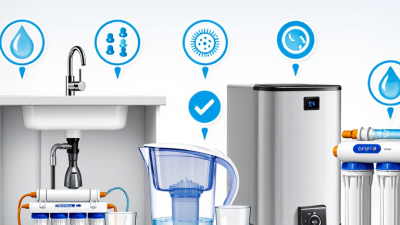
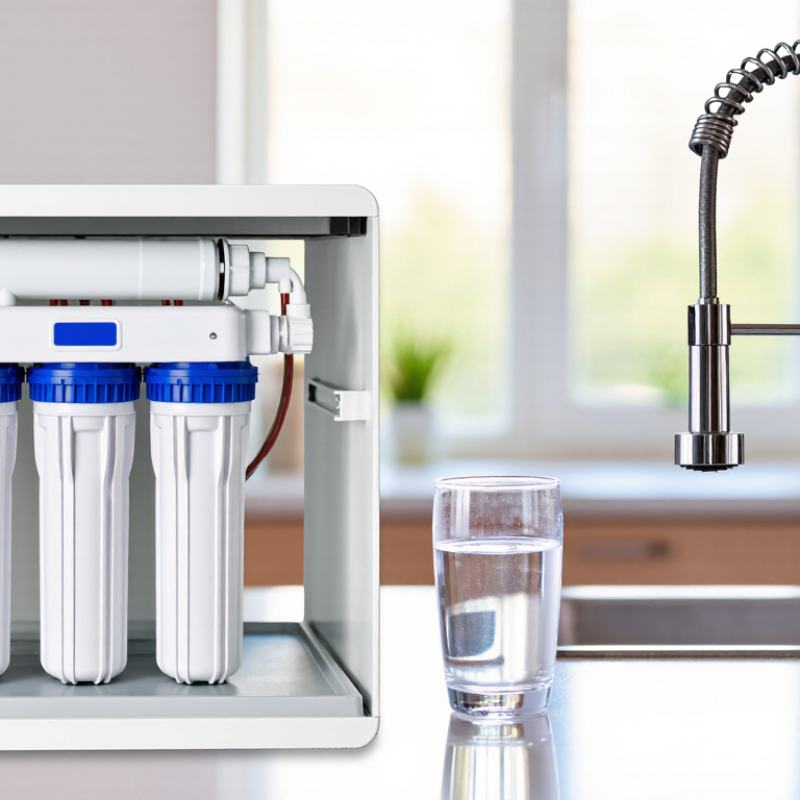
For a practical comparison, check NSF/ANSI certification and the exact contaminant named on the performance sheet. A pitcher may suit a rented kitchen and a small drinking-water need. An under-sink unit may fit households wanting more treated water at the tap. Whole-house systems treat water entering the home, though they can cost more and may be unnecessary for a single drinking-water concern. The choice is not perfectly neat. Filter life, pressure, and replacement access can matter as much as the label. A cold glass should taste better, not create another maintenance mystery.
Installing and Maintaining a Home Water Filter
Installing a home water filter begins with understanding what is in the water. Check a recent utility report or arrange a water test, then choose a system designed for the contaminants identified. A filter that improves taste may not reduce every health-related contaminant. Read its performance data carefully.
Before installation, shut off the cold-water supply and place a towel or shallow pan beneath the connection. Follow the manufacturer’s instructions for fittings, direction of flow, and flushing. Small details matter. After turning the water back on, check each joint with a dry tissue; even a slow drip can damage a cabinet over time. If the plumbing is unfamiliar or the connections do not fit, pause and ask a qualified plumber rather than forcing a fitting.
Maintenance is part of the installation, not an optional extra. Record the cartridge date on a small label inside the cabinet, and replace it according to the stated interval or capacity. Heavy use and sediment can shorten that interval. Watch for reduced flow, unusual taste, or visible leakage, but do not treat clear-looking water as proof that a filter still works. I’d also keep the instructions nearby; they are easy to misplace, and guessing at a replacement schedule is not ideal.