How to Choose the Best Water Purification System
Choosing the best water purification system starts with a simple question: what is actually in your water? A cloudy glass, a chlorine smell, or white scale around the faucet can offer clues, but none identifies every contaminant. A certified laboratory test or a local water-quality report gives you a stronger starting point. That matters.
As a transparent paraphrase of water-treatment expert Dr. Andrew Whelton’s practical approach: “Test first; choose treatment for the contaminants found.” This is not a verbatim quotation. The distinction matters, because product claims can sound more certain than the evidence behind them. Check whether a system is certified for the specific contaminant you want to reduce, and read its performance data—not just its packaging. Standards from organizations such as NSF can help you compare products, but certification details still deserve a close look.
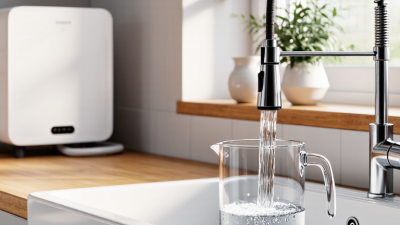
This guide explains how to compare system types, certifications, installation needs, and ongoing costs. A pitcher may suit a renter seeking basic taste improvement. A reverse-osmosis unit may address a different set of concerns, but it needs space, maintenance, and replacement filters. No system is automatically right for every household. It is tempting to buy the most feature-packed option; honestly, that can be a poor shortcut. The best water purification system is the one that matches verified water conditions, fits daily use, and can be maintained reliably. Check the fine print.
Identify Your Water Source and Household Needs
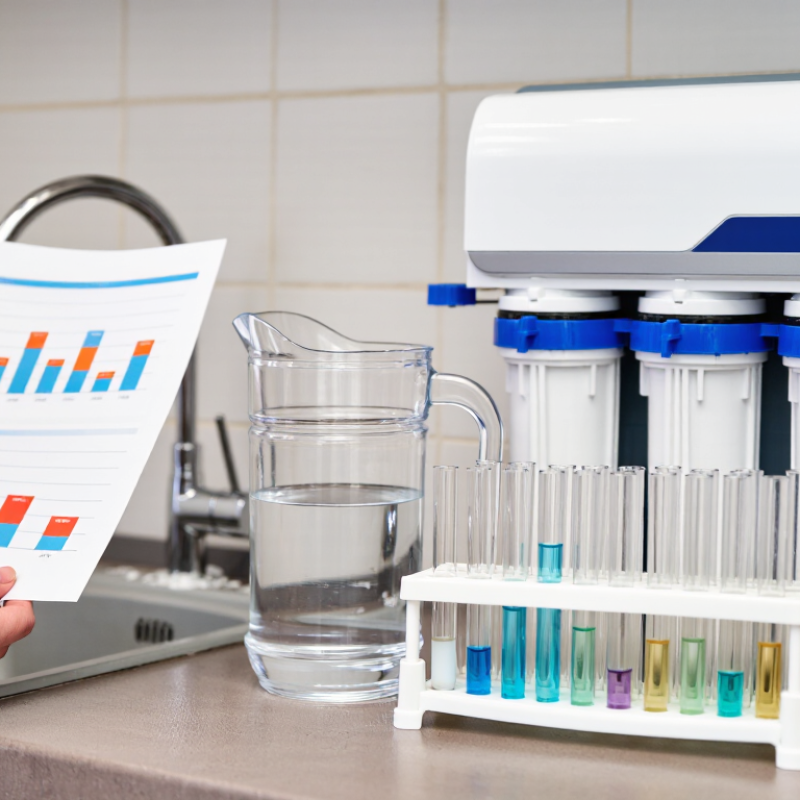
Start with the source, not a product label. If your home uses municipal water, read its latest Consumer Confidence Report. The U.S. EPA requires community water systems to provide these annual reports, which list detected contaminants and health-based limits. Check the sampling date and location. A report may not describe conditions at every faucet, especially in older buildings with aging plumbing.
Private well owners need a recent laboratory test; clear water can still contain contaminants. The USGS report Estimated Use of Water in the United States in 2015 estimated that self-supplied domestic wells served about 42.5 million people. Test for locally relevant concerns, such as bacteria, nitrate, or arsenic, and ask your local health department which tests make sense. A water test is more useful than guesswork.
Then map your household’s daily use. Count people, note whether anyone fills a kettle or infant formula, and estimate how much water you drink and cook with. The WHO/UNICEF Joint Monitoring Programme estimated that 2.2 billion people lacked safely managed drinking water in 2022. That global figure cannot diagnose one kitchen tap, but it underscores how much conditions vary. Check treatment capacity, flow rate, replacement schedules, and the space beneath your sink. I’ve found that maintenance is easy to overlook; an untracked filter change can quietly undermine a good plan.
Test for Contaminants and Set Purification Priorities
How to Choose the Best Water Purification System
Test for Contaminants and Set Purification Priorities
Start with a water test, not a product label. Public-water users can review their utility’s Consumer Confidence Report. Private-well owners should arrange laboratory testing; the CDC recommends testing wells at least yearly for germs and chemicals such as nitrates. Depending on local risks, ask about arsenic, lead, and other relevant contaminants. Nearby agriculture, industry, and older plumbing can shape what to test for.
Data can help set priorities. A USGS national assessment found that about 23% of sampled domestic wells had at least one contaminant above a health-based benchmark. This does not describe every well, but it shows why assumptions are risky. Match treatment to confirmed results: a sediment filter will not remove dissolved nitrate, and a carbon unit may not address every metal. Check independent certification for the specific contaminant claimed, then retest after installation. The testing step can feel tedious. Guessing is worse.
Tips: Keep a dated copy of your lab report. Test the tap you drink from, especially if plumbing may contribute lead. Ask the laboratory how to collect the sample. One test is only a snapshot; retest after flooding, plumbing repairs, or a sudden change in taste or odor.
Evaluate Capacity, Certification, Installation, and Cost
Capacity & Household Demand
Capacity should match the water you actually treat. EPA WaterSense estimates that a typical family uses more than 300 gallons daily, but most of that supports bathing, laundry, and toilets. A drinking-water unit usually serves only taps used for drinking and cooking. Check its rated daily output, flow rate, and filter life against household demand. The WHO/UNICEF Joint Monitoring Programme reported that 2.2 billion people lacked safely managed drinking water in 2022. That figure reflects a global access gap, not a household sizing guide. Still, it shows why local water quality matters.
Certification, Installation & Costs
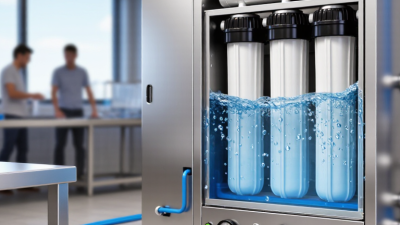
Certification tells you what a system has been tested to reduce. NSF/ANSI 42 covers aesthetic effects, while 53 addresses specified health-related contaminants; standard 58 applies to reverse-osmosis systems. Match the exact model’s certified claims to your water test or utility report. Installation also affects performance: under-sink units need cabinet space, suitable plumbing, and, for some systems, a drain connection. Compare the purchase price with replacement filters, service, and installation costs over several years. A low upfront price can be misleading.
Tips: Measure the cabinet before ordering. Ask who installs the unit and what the visit includes. I’d also leave room for filter changes; that small detail is easy to overlook.
Plan for Filter Replacement and Ongoing Maintenance
A water purification system is only dependable when its filters are replaced on schedule. Before choosing one, check the replacement interval, cartridge cost, and availability. Schedules vary. Water quality and daily use can shorten a filter’s useful life, so treat the manual as a starting point, not a guarantee. Keep a dated note inside the cabinet; it takes seconds, but it is easy to forget.
Watch for slower flow, unusual taste, or a change in odor. These signs may indicate a worn filter, but they do not prove water is unsafe or explain the cause. Follow the instructions for changing cartridges, relieving pressure, and cleaning the housing. Wash your hands, use clean tools, and check seals for cracks or pinching before restarting. If a leak persists, stop using the system and seek qualified service. Missed dates happen; ignoring them is not a maintenance plan.
Tips: Set a phone reminder and keep one compatible replacement cartridge on hand. Record the change date and any flow problems. Check the manual for sanitation and disposal guidance. If your water source changes, review the replacement schedule with a water professional.