What Are the Top Types of Water Filter Systems for Home?
A clean glass of water can still contain minerals, chlorine, or other substances that affect taste and quality. The right water filter system for home depends on your water, desired filtration point, and maintenance preferences. There is no single best choice.
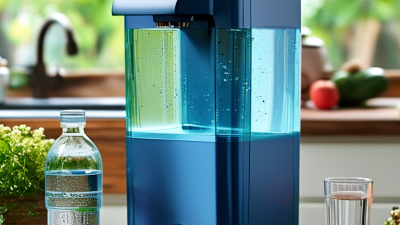
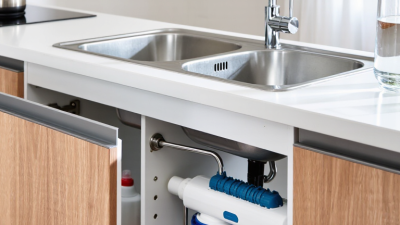
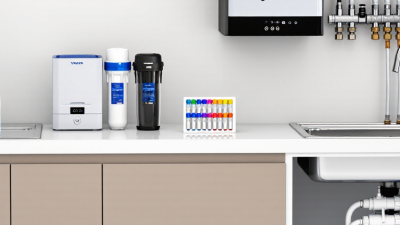
Options range from pitcher and faucet filters to countertop units, under-sink cartridges, reverse osmosis systems, and whole-house filters. Each serves a different purpose. A pitcher is easy to install and useful for drinking water. An under-sink system can supply filtered water through a dedicated tap. Whole-house equipment treats water as it enters the building, but it may cost more and require professional installation. Reverse osmosis can reduce certain dissolved substances, yet it uses water and may also remove minerals.
Start with your local water quality report or a suitable test, rather than choosing by advertising alone. Check whether a product is independently certified for the contaminants you want to reduce. Certification standards and product claims can vary. Maintenance matters. A neglected cartridge may lose effectiveness, and replacement costs add up. Small detail, big difference. This guide compares the top types of home water filter systems, explaining how they work, what they may reduce, and which households might find them practical. Product pages can make these choices sound simple. In reality, matching a filter to verified needs takes a little more thought.
How Home Water Filter Systems Work
A home water filter works by guiding water through materials that capture or reduce specific unwanted substances. The method depends on the system. A sediment cartridge traps visible particles, such as rust flakes or sand, while water flows through its porous surface. Carbon filters use adsorption: certain compounds cling to the carbon, which can reduce chlorine taste and odor. Clear water is not always clean water.
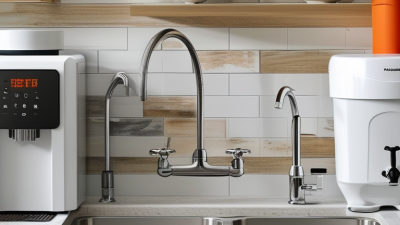
Under a kitchen sink, water usually passes through one or more cartridges before reaching a separate faucet. A reverse osmosis system pushes water through a fine membrane under pressure, leaving many dissolved substances behind in a drain stream. Some whole-house systems treat water where it enters the home, while countertop and faucet units treat smaller amounts at the tap. Ultraviolet units can inactivate many microorganisms, but they do not remove sediment or dissolved chemicals. Different jobs.
Filter performance depends on the model, water quality, and timely maintenance. A clogged cartridge may slow the flow; an overdue replacement may perform poorly. Check which substances a filter is tested to reduce, and consider testing your water when the concern is unclear. It is easy to assume one device handles everything. It usually does not. A filter can improve one part of the water experience while leaving other concerns untouched.
Common Point-of-Use Filter Types
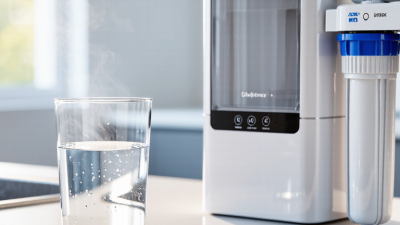
Common point-of-use filters treat water at one tap or appliance. Activated-carbon pitchers and faucet units can reduce chlorine taste and some listed contaminants, but performance depends on the tested model. Under-sink reverse-osmosis systems use a membrane to reduce many dissolved substances; they need periodic filter changes and may send some water to drain. Ceramic filters trap particles and certain microbes, yet do not reliably remove dissolved chemicals. UV units can inactivate microorganisms, but they do not remove sediment or metals.
No single type covers everything.
Start with a water test or your local water-quality report. The WHO/UNICEF 2023 Joint Monitoring Programme reported that 2.2 billion people lacked safely managed drinking water in 2022; that global figure is context, not proof that a home filter is needed. For a specific contaminant, check independent certification and the exact reduction claim. WHO’s 2022 drinking-water guidelines retain a provisional arsenic guideline of 10 μg/L, illustrating why contaminant-specific testing matters.
Small details count. I still find maintenance easy to underestimate: a clogged cartridge can slow flow, while overdue replacement may compromise performance. Choose a system you can maintain, and follow its instructions.
Whole-Home Water Filtration Systems
Whole-home water filtration treats water where it enters the house, before it reaches showers, laundry machines, and kitchen taps. The USGS 2015 national water-use report estimated average domestic use at about 82 gallons per person per day. That high volume matters: a system must handle peak flow, not just produce clean water at one faucet. A narrow filter can reduce pressure when several showers or appliances run together.
The right setup depends on test results. Sediment cartridges can catch grit that clouds a glass; activated carbon can reduce chlorine taste and odor. Hardness may call for a water softener, while a UV unit targets microorganisms. No single filter removes everything. The EPA’s secondary drinking-water standards list iron at 0.3 milligrams per liter and manganese at 0.05 milligrams per liter, useful reference points for staining and taste concerns, though these are not health-based limits. A laboratory test helps identify what actually needs treatment.
Check certifications against the specific contaminants you want reduced. NSF/ANSI 42 covers aesthetic effects, while NSF/ANSI 53 addresses certain health-related contaminants; certification does not mean a system treats every contaminant. For well water, test regularly and choose equipment based on the results. Whole-house treatment can be excessive when only one tap has a problem. That trade-off deserves a second look.
Matching a Filter System to Household Needs
Matching a filter to a household starts with its water, not the kitchen faucet.
The U.S. EPA’s WaterSense program estimates that an average family uses
more than 300 gallons of water at home each day.
That makes the real question practical: which taps need treatment, and for what? Check a municipal water-quality report or test well water before choosing.
A filter cannot solve a problem it was not designed to address.
For chlorine taste or odor, a certified activated-carbon pitcher or under-sink unit may be enough. Households concerned about specific health-related contaminants should check the exact reduction claim and relevant NSF/ANSI certification.
NSF/ANSI 53 covers health effects; NSF/ANSI 58 applies to reverse-osmosis systems.
The CDC cautions that treatment systems remove different contaminants.
Labels matter.
A reverse-osmosis unit can suit a home seeking to reduce certain dissolved substances, but it needs space, upkeep, and may send some water to the drain. A whole-house system treats water entering the home, which can help with sediment across several taps; it may be excessive when only drinking water needs treatment.
No filter is magic.
Even a well-matched unit can disappoint if its cartridge is overdue for replacement.