How to Choose a Water System for Home in 2026?
Choosing a water system for home in 2026 starts with a practical question: what is actually in your water? A cloudy glass, chlorine smell, or white kettle scale may signal a concern, but none can identify contaminants reliably. That matters. Water expert Dr. Peter Gleick has long argued that “water is a human right.” At home, dependable water begins with evidence, not a polished product page.
The right choice depends on your source and your goals. Check your utility’s latest water quality report, or have private well water tested by a qualified laboratory. Then match treatment to the results. A certified carbon filter may reduce certain tastes and odors; reverse osmosis can address some dissolved substances, but it also creates reject water. Whole-house systems treat water at the entry point, while under-sink units focus on drinking and cooking. Read the certification carefully. It should name the specific contaminant reduced, not simply promise “cleaner water.”
There is no universal best system. A household with hard water may need a different solution from one concerned about lead or a strong chlorine taste. Consider installation space, replacement filters, water pressure, and yearly costs. A system that sits unused is not a good solution. Neither is one that promises too much.
This takes a little effort. Still, testing first can prevent unnecessary spending and help you ask better questions of installers. The details can feel tedious; maintenance is easy to underestimate. This guide will help you compare system types, certifications, costs, and upkeep before choosing a water system for home.
Assess Your Home’s Water Source, Usage, and Plumbing
Before choosing a system, identify whether water comes from a public utility, a private well, or both. Utility customers can review the latest Consumer Confidence Report for detected contaminants and seasonal changes. Private-well owners need current lab results; the CDC recommends annual testing for coliform bacteria, nitrates, total dissolved solids, and pH. Do not treat a guess as a test. A clear glass can still hide a problem.
Then estimate how much water your household uses and when demand peaks. The Water Research Foundation’s 2016 Residential End Uses of Water, Version 2, reported average indoor use of about 138 gallons per household per day. That is a benchmark, not your design target. Several showers, a washing machine, and a running kitchen tap can strain an undersized system at the same time. Check the plumbing, too: pipe material, age, pressure, and available space affect installation and performance. A filter that reduces flow may feel fine at one sink, but frustrate a whole house.
Look for leaks before buying equipment. The U.S. EPA reports that household leaks can waste nearly 10,000 gallons annually, while 10% of homes may lose at least 90 gallons daily. Fix the dripping tap first. It is easy to focus on treatment and overlook plumbing. Match treatment to verified test results, household use, and pipe conditions; more stages do not automatically mean better water.
Test Water Quality to Identify Contaminants and Treatment Needs
Choosing a home water system in 2026 should start with a clear picture of the water coming from your tap. Taste and odor can offer clues, but they cannot reliably identify contaminants. A clear glass may still contain lead, nitrate, bacteria, or other substances. Test before buying equipment.
For a private well, ask a qualified laboratory or local health department which tests fit your area and water source. Common checks include bacteria and nitrate; nearby agriculture, industry, or flooding may call for additional testing. For municipal water, review the latest water quality report, then test your own tap if you have concerns about household plumbing. Follow the lab’s collection instructions carefully. A lead sample, for example, may need to be collected after water has sat in the pipes.
Match treatment to the results. A sediment filter will not solve every dissolved contaminant, and softening water does not automatically make it safer to drink. Some testing kits are useful for screening, but a lab can provide more dependable guidance. Retest after repairs or major source changes. Water quality shifts. One result is only a snapshot, and I would not treat it as a permanent answer.
Compare Home Water System Types and Their Capabilities
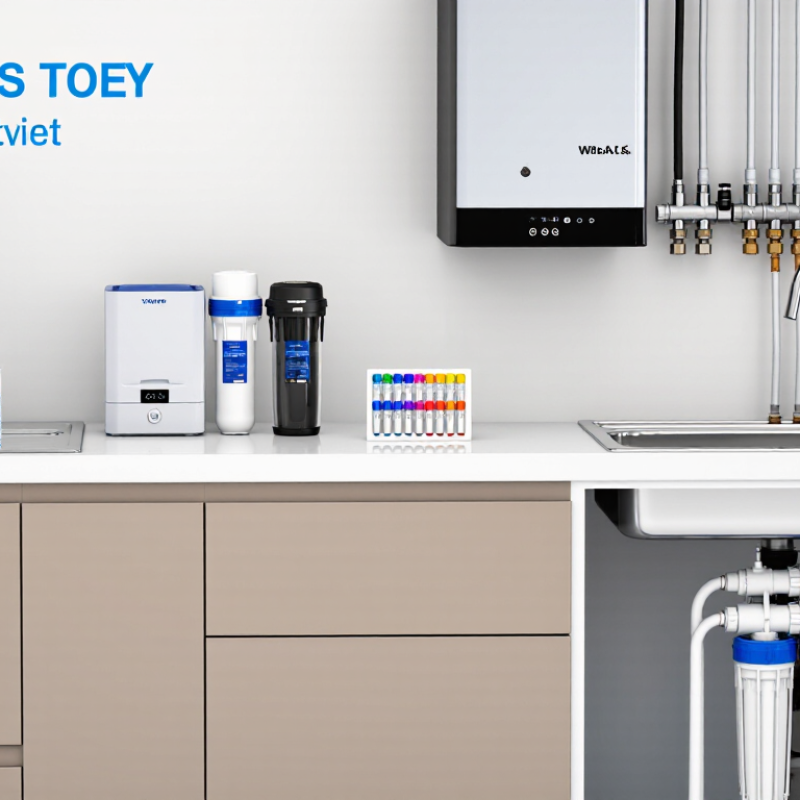
Choosing a home water system starts with the water problem, not the equipment. A sediment filter can catch grit that clouds a glass or clogs a faucet aerator, but it will not remove dissolved minerals. Carbon filters can reduce chlorine taste and odor; their performance depends on the specific filter and timely replacement. Small details matter. Check the product’s stated capabilities against a recent water test, rather than relying on taste alone.
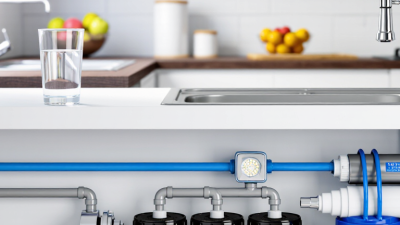
Water softeners address hardness, which can leave white scale on showerheads and make soap harder to rinse. They do not disinfect water or remove every contaminant. Reverse osmosis systems can reduce many dissolved substances at a kitchen tap, but they use stored water and need filter changes. Ultraviolet treatment can inactivate many microorganisms when the water is clear and the unit is maintained; it does not remove chemicals or particles. These systems solve different problems.
A whole-house setup treats water entering the home, while point-of-use equipment focuses on one tap. Whole-house filtration may help protect plumbing, but can be unnecessary if only drinking-water taste is a concern. It is easy to overbuy. Compare flow rate, replacement schedules, installation needs, and verified reduction claims. Then retest when conditions change; private wells and municipal supplies can present very different concerns. A neat row of cartridges is not proof of better water.
Check System Capacity, Installation Requirements, and Maintenance
How to Choose a Water System for Home in 2026?
Capacity should match your household’s actual use, not an optimistic guess. The USGS report Estimated Use of Water in the United States in 2015 estimated domestic use at about 82 gallons per person daily. That figure is a national average, not a sizing rule. Count residents, note peak demand, and consider whether the system treats every tap or only drinking water. A family of four may draw water differently from a couple, especially during laundry and showers. Check rated flow and daily capacity together. One number can mislead.
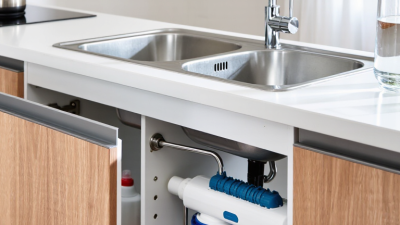
Installation details can change the real cost. Measure the available space, check pipe size and water pressure, and confirm whether the unit needs a drain, power outlet, or bypass valve. A cramped utility closet is not a small issue. Maintenance matters just as much: ask how often filters or media need replacement, and whether parts are easy to access. EPA WaterSense estimates household leaks can waste nearly 10,000 gallons annually, so inspect connections after installation and watch for damp spots. Water quality also affects service intervals; a schedule from another home may not fit yours. I would want a recent water test before choosing a treatment method. That step can feel inconvenient, but guessing is worse.
Evaluate Certifications, Total Costs, and Long-Term Reliability
A home water system should solve a measured problem, not a vague worry. Start with your water supplier’s quality report, then test for issues it cannot reveal, such as lead from household plumbing. The U.S. EPA’s 2023 7th Drinking Water Infrastructure Needs Survey estimated $625 billion in U.S. drinking-water infrastructure needs over 20 years. That figure concerns public systems, not household filters; it is a reminder that source and plumbing conditions matter. Check the fine print.
Certifications can narrow the choice. Look for an independent listing to the relevant NSF/ANSI standard: 42 for aesthetic effects, 53 for specified health effects, or 58 for reverse osmosis systems. Verify the exact contaminant claim and model in the certifier’s directory. A standard number alone does not prove performance for every contaminant. It is tempting to buy the most comprehensive unit. That may mean higher upkeep, not a better fit. Compare the purchase price with cartridge replacements, installation, wastewater, and service costs over five years.
Tips: Photograph the model label and record filter-change dates. Ask about documented flow rate, capacity, and warranty exclusions before paying. A low-cost unit can become expensive when replacement parts are hard to source. Recheck water quality after installation, especially if taste, odor, or plumbing conditions change. One test is not permanent reassurance.
How to Choose a Home Water System in 2026
Typical replacement intervals for common treatment components. Use these planning ranges to compare maintenance needs—not as a substitute for the exact system’s instructions.
Choosing well: Check that the exact model is certified for the contaminants you want reduced. NSF/ANSI 42 covers aesthetic effects, 53 covers specific health effects, 58 covers reverse-osmosis systems, and 401 covers certain emerging compounds. Compare total ownership costs—including replacement filters, lamps, salt, energy, installation, and any water used during treatment—and follow the manufacturer’s replacement schedule.