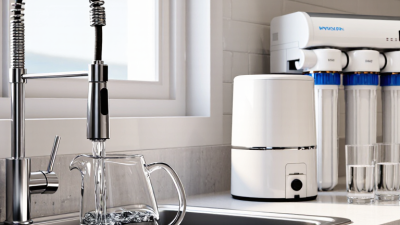
Why Do You Need a Water Purifier for Home?
Clean-looking water is not always clean water. A clear glass may still carry microbes, dissolved metals, chlorine by-products, or sediment from aging pipes. The WHO/UNICEF Joint Monitoring Programme reported that 2.2 billion people lacked safely managed drinking water in 2022. That figure reflects a global gap, but household risks can appear anywhere.
A water purifier for home adds a practical control point between the tap and the drinking glass. Depending on the technology, it may reduce bacteria, parasites, lead, chlorine taste, or certain chemicals. However, no single filter removes everything. Certification, maintenance, and source-water testing matter more than attractive packaging.
Water researcher Peter Gleick has stated, “Water is a human right, not a commodity.” His view gives this topic a wider meaning. Home treatment should support public water systems, not replace them. The U.S. Environmental Protection Agency also advises consumers to check contaminant claims and follow replacement schedules carefully.
Small details reveal real performance. A neglected cartridge can smell sour. A slow stream may signal blockage. An unwashed storage tank can undermine an expensive device. These are easy mistakes.
The choice is not always simple.
Families should compare independent certifications, filter life, flow rate, and local water reports. They should also consider children, older adults, and people with weakened immunity. A purifier can improve confidence and taste, but it cannot excuse poor hygiene or ignored plumbing problems. That limitation deserves honesty. A reliable decision begins with evidence, not fear.
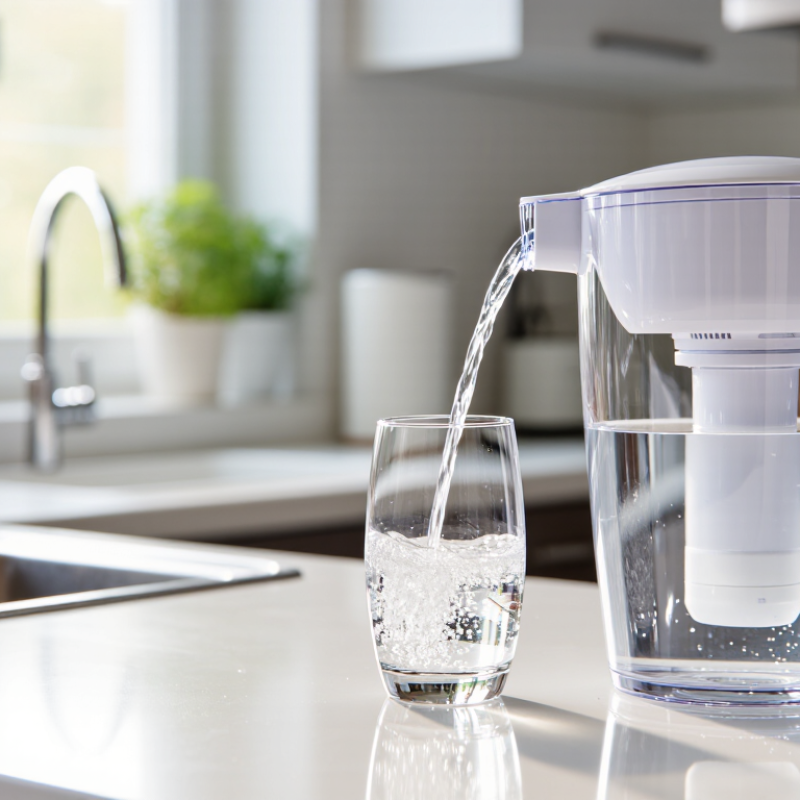
A home water purifier is a point-of-use device that treats water at a tap, in a pitcher, or beneath a sink. Depending on its design, it may reduce particles, chlorine taste, or selected contaminants. It does not make every water source safe by default. Treatment performance depends on the technology, maintenance, and the specific substances present.
The World Health Organization and UNICEF’s Joint Monitoring Programme reported that 2.2 billion people lacked safely managed drinking-water services in 2022. That global figure is not a measure of household tap-water quality, but it shows why reliable water information matters. For a home, start with a local water-quality report or a laboratory test. Then compare the results with a purifier’s independently verified performance claims. Standards such as NSF/ANSI 42, 53, and 58 cover different treatment claims; certification to one does not mean removal of everything. Small distinction. Important one.
Tips: Check the filter label for the exact contaminants tested, and replace cartridges on schedule. Keep a record of installation dates. A neglected filter can lose effectiveness, and I sometimes find maintenance less convenient than product descriptions suggest. Choose based on test results, not taste alone.
A home water purifier can reduce specific contaminants, but no single filter removes everything. The right choice depends on your water source and the device’s tested performance.
A USGS study published in 2023 estimated that at least one type of PFAS may occur in 45% of U.S. tap water samples. That finding describes potential exposure, not every household’s water. Your local water report can offer a more relevant starting point.
Different technologies target different substances. Activated carbon can reduce chlorine taste and odor, and some certified models reduce certain volatile organic compounds. Reverse osmosis systems may reduce dissolved substances such as lead, arsenic, and nitrate, depending on the model.
Filters certified to NSF/ANSI standards list the specific claims they have been tested for. Check the label closely. A certification for chlorine reduction does not automatically mean PFAS or lead reduction.
For private wells, laboratory testing is especially useful because contamination can vary from one property to the next.
One practical detail: a filter cartridge can clog or lose effectiveness if ignored. I might be tempted to trust clearer-looking water, but appearance alone cannot reveal lead, nitrate, or PFAS. Filter claims should match your test results.
A home water purifier can improve household water quality by targeting specific contaminants, but no single filter removes everything. The U.S. Environmental Protection Agency recommends checking local Consumer Confidence Reports for information about drinking water sources and detected contaminants. That report is a useful starting point. For example, if a test identifies lead, choose a filter certified for lead reduction, rather than relying on taste or clarity. Clear water can still contain invisible contaminants.
Certification matters. NSF/ANSI 42 covers aesthetic effects, such as chlorine taste and odor; NSF/ANSI 53 covers specified health effects, including lead reduction claims. The National Sanitation Foundation cautions that certification applies only to the specific claims listed for a product. A pitcher filter may improve the taste of tap water, while another system may address different contaminants. Check the label carefully. Replace cartridges on schedule, too. An overdue filter can lose effectiveness, and I admit that replacement dates are easy to overlook.
Water treatment also varies by location. The World Health Organization and UNICEF reported that 2.2 billion people lacked safely managed drinking water in 2022, underscoring how access and water quality differ worldwide. For a household, the practical choice depends on local test results, plumbing, and daily use. A purifier is not a cure-all. Testing the water and matching a certified system to a known concern are more reliable than buying one based on broad promises.
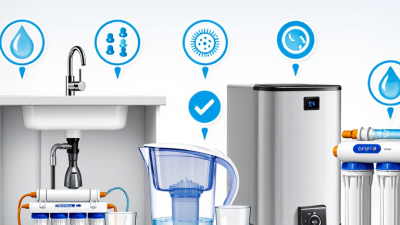
Home water purifiers use different methods, and each suits a different concern. Sediment filters catch visible particles such as sand, rust, and grit. Activated carbon can reduce chlorine taste and odor, and may reduce certain organic compounds. It does not remove every dissolved mineral. Small detail, big difference. Reverse osmosis pushes water through a fine membrane and can reduce many dissolved substances, including some salts and metals. It often produces wastewater and needs timely filter changes. Ultraviolet systems use light to inactivate many microorganisms, but they do not remove chemicals or particles. Water must be clear enough for the light to work well.
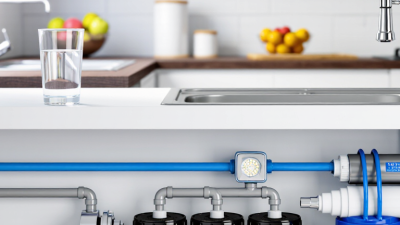
Some homes use a pitcher or faucet-mounted filter for drinking water; others install an under-sink unit. A whole-house system treats water as it enters the home, which may help with sediment or hardness but can cost more to maintain. The right choice depends on what is actually in your water, not just its taste. Check a recent water report or arrange suitable testing before choosing a system. This step is easy to skip. I might be tempted to buy a filter after noticing a strange smell, but smell alone cannot identify the cause. Also check the filter’s rated capacity, flow rate, and replacement schedule. A neglected filter may perform poorly.
A home water treatment system can address specific water-quality concerns, improve taste, or provide an additional treatment step. The right choice depends on your water source and test results; no single system removes every contaminant.
| System Type | How It Works | Common Uses | Potential Benefits | Important Considerations |
|---|---|---|---|---|
| Activated Carbon Filter | Adsorbs certain substances onto porous carbon as water passes through the filter. | Often used to improve taste and odor and to reduce chlorine. Some certified models are designed to reduce specific substances such as lead or certain organic chemicals. | Can improve the taste and smell of drinking water; many models fit under a sink or attach to a faucet. | Performance varies by filter and certification. It does not generally remove dissolved minerals, and it should be replaced according to the manufacturer’s schedule. |
| Reverse Osmosis (RO) | Uses pressure to push water through a semipermeable membrane, typically alongside pre- and post-filters. | Point-of-use treatment for certain dissolved substances. Depending on the system, it may reduce salts, some metals, and other listed contaminants. | Can treat a broad range of dissolved substances when the specific system is designed and certified for them. | Produces a reject-water stream, needs periodic filter and membrane maintenance, and may remove beneficial minerals as well as unwanted substances. Check the system’s tested claims. |
| Ultraviolet (UV) Disinfection | Uses ultraviolet light to inactivate many microorganisms as water flows past a UV lamp. | Can be used as a microbial treatment step, especially where bacteria, viruses, or protozoa are a concern. | Does not add disinfecting chemicals to the water and can provide an added microbial barrier when properly installed and maintained. | UV does not remove chemicals, metals, particles, or salts. Water usually needs to be clear enough for the light to work effectively, and the lamp requires power and scheduled replacement. |
| Sediment Filter | Physically traps suspended particles such as sand, rust, and silt. | Often installed as a pre-filter to protect plumbing or other treatment equipment, particularly where water contains visible particles. | Can reduce cloudiness caused by particles and help prevent sediment from clogging downstream filters. | Does not remove dissolved chemicals, salts, or microorganisms. The filter can clog and needs cleaning or replacement. |
| Water Softener (Ion Exchange) | Exchanges hardness minerals, mainly calcium and magnesium, for other ions, commonly sodium. | Addresses hard water that can cause scale buildup in pipes, fixtures, and appliances. | Can reduce scale formation and help soap lather more easily. | Softening is not the same as removing all contaminants or disinfecting water. The system needs salt or other regeneration materials, and softened water may not be suitable for everyone’s dietary needs. |
| Distillation | Boils water and condenses the steam, leaving many nonvolatile substances behind. | Point-of-use treatment for some dissolved solids and other substances with higher boiling points than water. | Can produce water with a low level of many dissolved minerals when the unit is operated correctly. | It can be slow and energy-intensive. Some volatile compounds may carry over unless the unit is designed to address them; regular cleaning is also needed. |
| Ceramic Filter | Water passes through a porous ceramic element that physically blocks particles and, in some designs, certain microorganisms. | Used in some gravity-fed or countertop systems to reduce suspended particles and selected microbes. | Some elements can be cleaned and reused according to the system instructions. | It does not usually remove dissolved salts or many chemicals. Performance depends on pore size and the specific product, so verify the tested reduction claims. |
Why Do You Need a Water Purifier for Home?
Choosing a home water purifier starts with understanding your water, not picking the most complicated device. Check your local water-quality report, and consider testing well water through a qualified laboratory. A cloudy glass or odd taste can be a clue, but neither identifies a specific contaminant. Small details matter.
Match the purifier to the issue you need to address. Different technologies reduce different substances, so check independent performance certifications and the exact contaminants listed for the model. Also consider daily use: a small unit may struggle to supply a busy household, while a larger system can take more space and upkeep. Measure the space beneath your sink, and check whether installation needs a plumber. It is easy to focus on filtration claims and forget replacement-filter costs.
Maintenance keeps performance more reliable. Follow the manufacturer’s schedule for changing cartridges and cleaning the unit; waiting until water tastes strange is not a dependable reminder. Wash your hands before handling filters, and make sure seals sit evenly to prevent leaks. Keep a simple date note on the cabinet door. That can change. If water quality shifts, or the system has been unused for a long time, review its instructions and reassess whether the chosen treatment still fits your needs.
Drinking-water standards set limits for different contaminants. Test your water, then choose a purifier certified to reduce the contaminants found; replace filters according to the manufacturer’s instructions.
Selected U.S. EPA maximum contaminant levels (MCLs), shown in micrograms per liter (µg/L). Nitrate is expressed as nitrogen. These regulatory limits are not measurements of your water or ratings of purifier performance, and the values should not be interpreted as a comparison of health risk.
Sources: U.S. EPA National Primary Drinking Water Regulations.
Build your system. Protect your boat. Join the movement.